
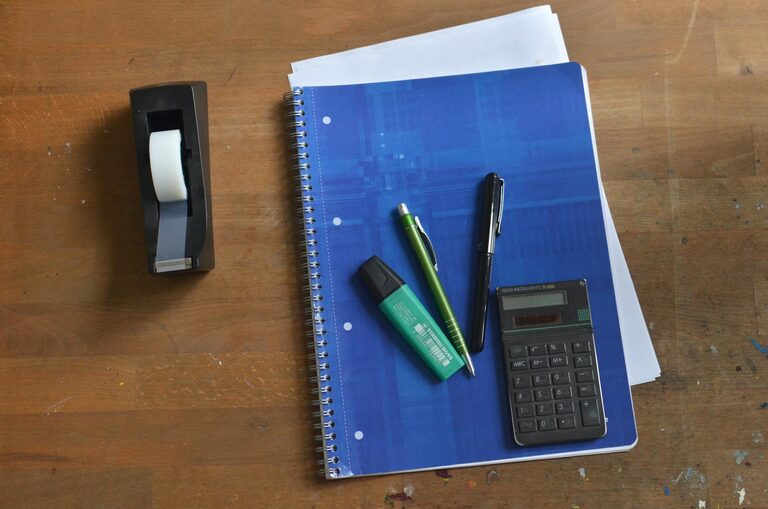
Choosing the right notebook can make a big difference in how often you use it, whether for jotting down ideas, planning your day, or capturing important notes. With countless options available, finding one that suits your needs and encourages you to write regularly might seem overwhelming. This guide will take you through key factors to consider so you pick a notebook you’ll actually want to use.
Why Choosing the Right Notebook Matters
A notebook isn’t just a collection of pages; it’s a tool that can help you organize thoughts, boost creativity, and keep track of your goals. When the notebook feels right—comfortable in size, with a layout you like—it becomes easier and more enjoyable to write in it daily. On the other hand, the wrong notebook might end up collecting dust on a shelf.
Step 1: Identify Your Primary Purpose
Before diving into styles and brands, think about what you’ll mostly use your notebook for:
– Journaling or personal reflections
– Work meetings or project notes
– Creative writing or sketching
– Planning and to-do lists
– Studying or research notes
Knowing the main use helps guide your decision on size, paper type, and features.
Step 2: Choose the Right Size
Notebooks come in many sizes, and picking one depends on where and how you plan to use it.
– Pocket-sized (3.5″ x 5.5″): Ultra-portable, fits easily in a bag. Great for quick notes or lists but limited writing space.
– A5 size (5.8″ x 8.3″): Popular choice for everyday notebooks. Easy to carry and offers decent writing area.
– A4 size (8.3″ x 11.7″): Provides ample space for notes and drawings. Better suited for a desk or office use.
Consider how often you travel or move around with your notebook, and whether you prefer carrying a light, small notebook or a larger one with more room.
Step 3: Select the Paper Type and Layout
The type of paper and the page layout influence how satisfying your writing experience is.
Paper Quality
– Paper weight is measured in grams per square meter (gsm). Heavier paper (around 100gsm or more) reduces ink bleed-through and feels sturdier—great for fountain pens or markers.
– Paper texture can be smooth or slightly textured. Smooth paper is ideal for precise writing, while textured paper can add character if you like drawing or calligraphy.
Page Layout
– Ruled lines are ideal for general writing and note-taking.
– Dotted pages offer subtle guidance for writing and drawing, useful in bullet journaling.
– Blank pages work best for sketching or freeform creativity.
– Grid pages help with charts, graphs, or technical notes.
Think about your habits—if you mix writing with sketches, a dotted or grid layout might be more versatile.
Step 4: Consider Binding Style
How the notebook is bound affects durability and how easy it is to use.
– Spiral binding lets the notebook lay flat or fold back on itself. Good for frequent referencing and writing on the go.
– Sewn binding is durable and often allows the notebook to open flat but might be less flexible than spiral.
– Glue binding is common in inexpensive notebooks but less durable and may not open flat comfortably.
Also check if the binding allows for easy page removal if that’s important to you.
Step 5: Evaluate Cover Material and Design
The cover protects your pages and adds personality to your notebook.
– Hardcover notebooks offer the best protection and provide a solid writing surface without a desk.
– Softcover notebooks are lighter and more flexible but might wear out faster.
– Water-resistant or leather covers can be more durable if you carry your notebook everywhere.
Choose a design and color that motivates you. A notebook you like looking at is one you’re more likely to use.
Step 6: Look at Additional Features
Some notebooks come with extras that might enhance your experience:
– Elastic closure bands keep the notebook securely closed.
– Built-in bookmarks or ribbon markers help quickly find important pages.
– Pockets for storing notes or receipts add convenience.
– Numbered pages or an index system help with organization, especially in bullet journaling or project tracking.
Decide which features will support your usage rather than weigh down your notebook.
Step 7: Test Before You Buy
If possible, visit a store to physically handle notebooks. Pay attention to:
– How the notebook feels in your hands
– The smoothness of writing on the paper
– Whether it opens flat comfortably
– The overall weight and size
Trying before buying helps avoid surprises and ensures you’ll love using your new notebook.
Step 8: Set Realistic Expectations and Give It a Chance
Even with the perfect notebook, old habits can take time to change. Commit to using your new notebook regularly by:
– Setting small daily writing goals
– Keeping it visible and accessible
– Combining it with other routines (like morning journaling or work meetings)
If you find the notebook isn’t a good fit, don’t be discouraged—refine your choice and try again. Finding the ideal notebook is a personal journey.
—
Choosing a notebook that fits your lifestyle, writing style, and aesthetic preferences is crucial to making it a practical and enjoyable tool. By considering your purpose, size, paper quality, binding, and extras, you can pick a notebook you’ll actually use—and keep coming back to day after day. Happy writing!